History review
Cycle patterns, medications, prior pregnancy or treatment, surgeries and relevant health conditions.

Fertility testing · Start with context
A focused reproductive-health assessment for people who are trying to conceive, planning ahead or investigating a specific concern.
A single result rarely tells the whole story. We connect medical history, timing, ultrasound and laboratory information before explaining what the findings may mean for your next decision.
Request an assessment ↗Your physician selects testing around your body, reproductive history and goals. Not every patient needs every test, and results are most useful when interpreted together.
Cycle patterns, medications, prior pregnancy or treatment, surgeries and relevant health conditions.
Selected bloodwork may help assess ovarian reserve, ovulation or other endocrine factors.
Imaging can evaluate the ovaries, follicle count, uterus and other relevant anatomy.
Evaluation of concentration, movement and morphology when sperm is part of the plan.
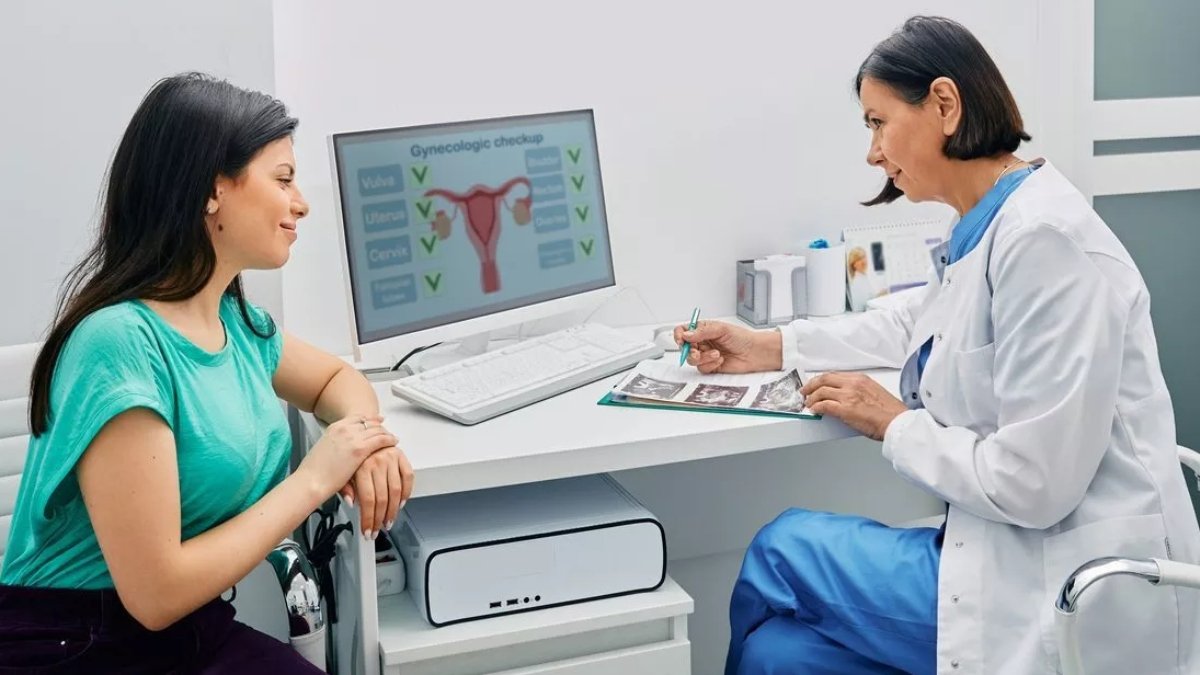
From result to meaning
AMH, follicle count or semen parameters are not pass/fail grades. They provide specific information with specific limits. We explain what each result can suggest and what it cannot predict.
The exact work-up varies, but the experience should remain visible from the first conversation through recommendations.
Discuss your history, priorities and the questions you want answered.
Your physician recommends the testing that is useful for your situation.
Testing is coordinated with attention to cycle timing when relevant.
Review the combined picture and decide what, if anything, comes next.
Testing questions
No single test can guarantee or rule out a future pregnancy. Testing can identify specific factors and help guide decisions, but results require clinical context.
No. People seek testing while trying, before trying, when considering preservation, or when a diagnosis raises reproductive-health questions.
When more than one person contributes eggs or sperm, evaluating relevant factors together may provide a more complete picture.